
November 8, 2026
Cannabis Dosage Basics for a Better Start
Cannabis dosage basics help adults choose a starting amount, wait for effects, and adjust thoughtfully for more predictable cannabis experiences by method.
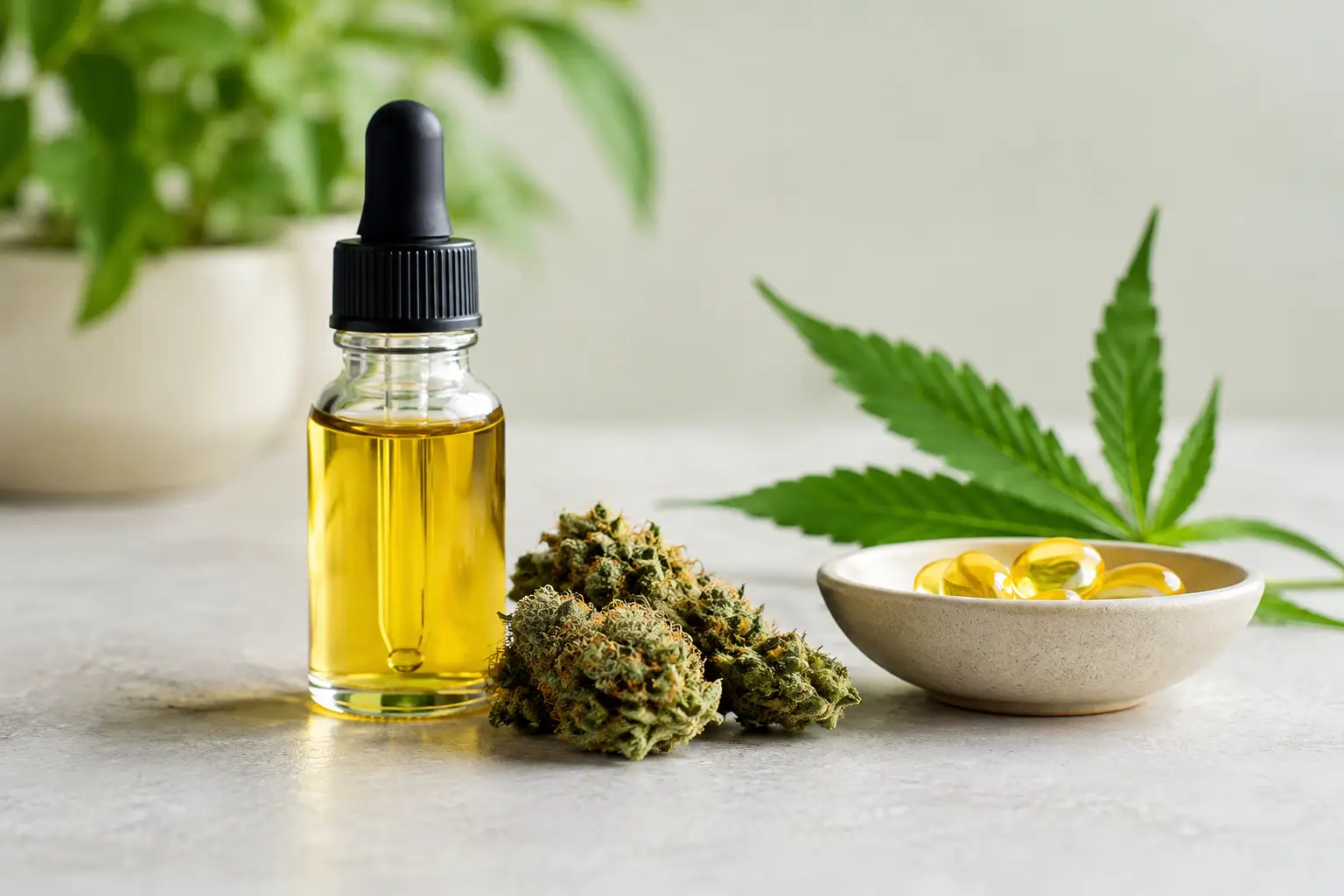
A cannabis package can tell you a lot, but the number on the label is only part of the decision. Your experience can change based on the product format, your tolerance, whether you have eaten, and how long you wait before taking more. Cannabis dosage basics come down to one practical habit: start with a modest amount, give it enough time to work, and make changes slowly.
That approach is useful whether you are trying cannabis for the first time, returning after a break, or switching from smoking to gummies, oils, or beverages. There is no single amount that works the same way for every adult.
Cannabis Dosage Basics: Start With the Label
For most regulated products, THC is listed in milligrams (mg). THC is the cannabinoid most commonly associated with intoxication, including feeling high, changes in perception, and impaired coordination. CBD is another cannabinoid that may be listed on the package. CBD does not produce the same intoxicating effect as THC, though it can still affect how a product feels for some people.
Read the full label before opening the product. With edibles and beverages, look for two numbers: the THC per serving and the THC in the entire package. A package may contain several servings, so eating or drinking the whole thing can mean taking more THC than intended.
For dried flower and pre-rolls, labels usually show THC as a percentage or a range. That is helpful for comparing products, but it does not tell you exactly how much THC you absorb with each inhalation. How deeply you inhale, the device you use, and the way the product burns or vaporizes all matter.
A modest starting point for a new or occasional consumer is often around 1 to 2.5 mg of THC for an edible, beverage, or oil measured in milligrams. Some adults who already know their tolerance may choose more, but higher numbers are not automatically better. The goal is to find an amount that fits the occasion and lets you stay comfortable.
The Product Format Changes the Timeline
The most common dosing mistake is treating every cannabis product as if it works on the same schedule. It does not. The delivery method determines how quickly effects may begin and how long they can last.
Inhaled cannabis
Smoking or vaporizing dried flower, pre-rolls, or vape products generally produces effects within minutes. That makes it easier to take a small amount, pause, and check in with yourself before having more. Effects often build quickly and may last a few hours, though the timeline varies.
If you are new to inhaled products, take one small inhalation and wait about 10 to 15 minutes before deciding whether to continue. Avoid trying to match someone else’s pace. A friend’s tolerance, preferred product, and desired experience may be very different from yours.
Edibles, beverages, and capsules
Edibles are easy to underestimate because they can take 30 minutes to two hours or longer to take effect. Food in your stomach, your metabolism, and the product itself can all affect the timing. The full experience may last six hours or more.
This is where patience matters most. After a low starting dose, wait at least two hours before taking more. If you have a slow metabolism or have eaten a large meal, waiting longer can be the smarter choice. Taking another serving after 30 minutes because you do not feel anything yet is one of the most common ways people end up having a stronger and longer experience than they wanted.
Oils and sublingual products
Cannabis oils may be swallowed or placed under the tongue, depending on the product directions. Products held under the tongue may begin working sooner than a traditional edible, but they can still take time. Follow the package instructions and use the included measured dropper or dispenser rather than estimating by eye.
If an oil is swallowed, treat the timing more like an edible. If it is used sublingually, wait long enough to understand the effect before adding more. When in doubt, give the product extra time.
Choose a Dose for the Situation
Dosage is not just about tolerance. It is also about what you need to do afterward. A small dose on a quiet evening at home is different from using cannabis before a social event, a meal out, or a day with responsibilities.
Plan for a setting where you can relax and do not need to drive, operate equipment, make major decisions, or care for someone who depends on you. Cannabis can affect reaction time, attention, coordination, and judgment even when you feel fine. Never drive while impaired, and make transportation arrangements before using cannabis.
It also helps to avoid mixing cannabis with alcohol or other intoxicating substances. Combining products can make effects less predictable and increase impairment. If you use prescription medication, have a medical condition, are pregnant or breastfeeding, or have concerns about mental health, speak with a qualified health professional before using cannabis.
How to Adjust Without Guessing
A comfortable dose is usually found over more than one session, not in one night. Keep the variables simple. Use the same product format, begin with the same low amount, and pay attention to the timing and overall effect.
You do not need a detailed journal, but a quick note can be useful. Record the product, THC amount, time you used it, when you noticed effects, and how the experience felt. This is especially helpful with edibles, where delayed onset can make it hard to remember what happened after the fact.
If the effect was lighter than you wanted, increase only slightly the next time. For example, someone who felt very little from 2.5 mg of THC in an edible might try a small step up on another day rather than immediately doubling or tripling the dose. If the experience was uncomfortable, lower the amount next time or choose a product with less THC.
CBD may be part of the product decision, but it should not be treated as a guaranteed way to cancel out THC. Some consumers prefer balanced THC and CBD products because they like the overall effect, while others do not notice much difference. Personal response varies, so the same start-low approach still applies.
If You Took More Than Intended
Taking too much cannabis can feel unpleasant, but the effects are usually temporary. You may feel anxious, dizzy, nauseated, very sleepy, or experience a racing heartbeat. A calm setting and time are often the most helpful responses.
Stop using cannabis, avoid alcohol and other substances, sip water if you can, and settle somewhere safe with a trusted person if possible. Remind yourself that the feeling will pass. Do not drive or try to “walk it off” in public if you are impaired.
Seek urgent medical help if someone has chest pain, trouble breathing, loses consciousness, is severely confused, has persistent vomiting, or may be at risk of harming themselves or others. If a child or pet accidentally consumes cannabis, contact emergency services or poison control right away. Keep all cannabis products in their original packaging and stored securely out of reach.
Buy Clearly Labeled Products
Regulated cannabis products make dosage easier to manage because packaging identifies cannabinoid amounts, servings, and product instructions. That does not remove all uncertainty, but it gives you a reliable place to start. Ask store staff if you need help finding a format with a lower THC amount or a clearly portioned edible.
For adults of legal age, the best cannabis experience is rarely about taking the most. Start with an amount you can understand, give it the time it needs, and let your own response guide the next choice.


