
September 25, 2026
Cannabis Topicals and How to Choose Them
Cannabis topicals are easy to use for targeted comfort. Learn how creams, balms, and gels differ, what to check on labels, and how to use them responsibly.
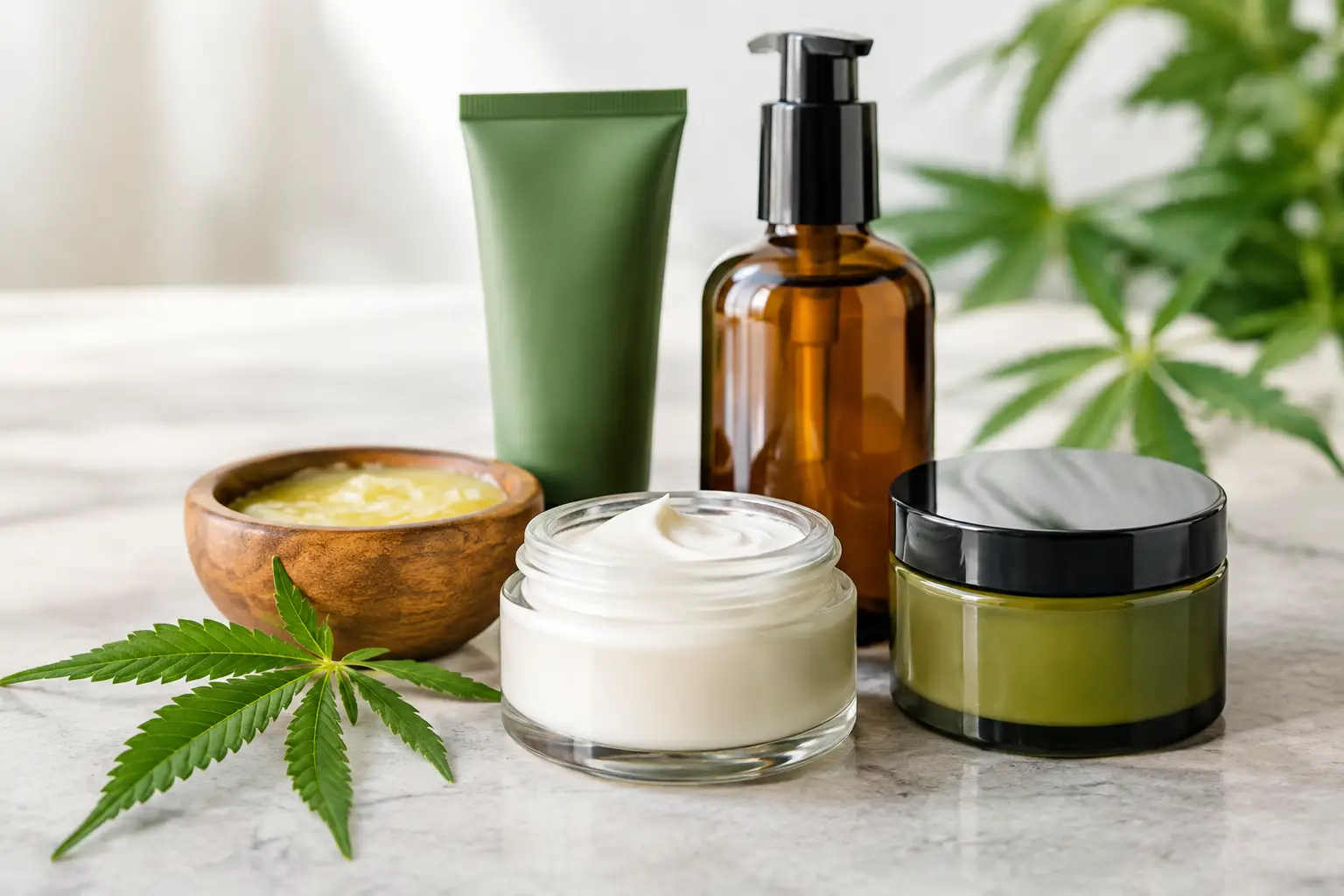
A sore shoulder after a long shift, tired feet after errands, or a stiff spot after the gym can make a targeted product feel more useful than another inhalable option. Cannabis topicals are made for that kind of moment: applied directly to the skin, easy to work into a routine, and available in several formats for different preferences.
For adults shopping legal cannabis products, topicals can be a straightforward category to understand once you know what is in the container, where it is meant to be used, and what result is realistic. The best choice is not always the strongest one. Texture, ingredients, cannabinoid content, and application area all matter.
What Are Cannabis Topicals?
Cannabis topicals are external-use products infused with cannabis extracts. They include creams, lotions, balms, salves, gels, body oils, bath products, and roll-ons. Rather than being inhaled or eaten, they are applied to intact skin.
Most topicals are used for localized comfort. Someone may apply a balm to a knee after a walk, use a cooling gel on their neck after desk work, or massage a cream into hands that feel overworked. The experience is generally centered on the area of application, not on a full-body cannabis effect.
That distinction matters when choosing a product. A cannabis topical is not the same as an edible, tincture, or vape. Product formats can contain similar cannabinoids, but how they are used and what customers may feel can differ significantly.
Do Cannabis Topicals Cause a High?
Traditional cannabis creams, balms, and lotions are usually designed to stay on the surface layers of the skin and are not typically associated with an intoxicating high. They may contain THC, CBD, or a combination of cannabinoids, but topical use is different from smoking, vaping, or ingesting cannabis.
There are exceptions worth reading about on the label. Transdermal products are specifically formulated to move ingredients through the skin and into the bloodstream. A transdermal patch or gel may have a broader effect than a standard topical, and products with THC may be intoxicating for some people. Do not assume every product in the topical section works the same way.
If avoiding intoxication is a priority, look closely at the product format and cannabinoid information. Ask store staff whether an item is a conventional topical or a transdermal product, then follow the package directions exactly.
Common Types of Cannabis Topicals
The format often determines how a product fits into your day. A thick balm and a fast-drying gel may contain similar cannabinoid amounts, but they feel very different on the skin.
Creams and Lotions
Creams and lotions are a practical option for larger areas such as calves, shoulders, arms, or hands. They tend to spread easily and may absorb without leaving a heavy finish. Lotions are often lighter, while creams can feel richer and more moisturizing.
These are useful if you want cannabis to fit into an existing skincare routine. Still, fragrance and botanical ingredients can affect the experience. A scented lotion may be enjoyable at home but less appealing if you are sensitive to fragrance or need something discreet at work.
Balms and Salves
Balms and salves are usually thicker and more concentrated in texture. They are commonly packaged in jars or tins and work well when you want to apply a small amount to a specific spot. Think knuckles, elbows, ankles, or one focused area of muscle tension.
The trade-off is that a balm can feel oily or waxy, especially in warm weather. That texture is not necessarily a drawback. It can give you more time to massage the product in, which some people prefer after activity.
Gels and Roll-Ons
Gels often feel light and dry down quickly. Many include ingredients that create a cooling or warming sensation, such as menthol, camphor, or botanical extracts. A roll-on adds convenience because it can be applied without getting product on your hands.
These options can suit busy schedules, gym bags, and quick application. The sensation from cooling or warming ingredients can be strong, though, so start with a small amount if you have not used the formula before.
Oils and Bath Products
Cannabis-infused body oils are intended for massage and can offer more slip than a cream or balm. They may be better for a slower routine at home than for a quick application before leaving the house.
Bath products are a different experience again. They are used for a full-body soak rather than a single spot. Read the package carefully for directions, cleanup guidance, and cannabinoid content. Oil-based products can leave the tub slippery.
How to Choose Cannabis Topicals
Start with the use case, not just the THC or CBD number. Ask yourself where you plan to apply it, whether you want a fast-absorbing or richer texture, and whether cooling, warming, or fragrance-free ingredients sound right for you.
When comparing products, check these details on the package:
- The cannabinoid content, including THC, CBD, and the total amount per container
- Whether the product is a standard topical or a transdermal formula
- The intended application method and recommended amount
- Other active-feeling ingredients, such as menthol, camphor, or essential oils
- Allergen information, fragrance, and the full ingredient list
Higher cannabinoid content does not automatically mean a better experience. A product that is comfortable to apply consistently and fits the intended area may be the better choice. Someone who dislikes a greasy finish may use a quick-drying gel more often than a rich balm, even if the balm has more milligrams on the label.
CBD-dominant, THC-dominant, and balanced topicals are all available in legal markets. Preferences vary. Some customers begin with a CBD-forward option, while others prefer a balanced product. A regulated retailer can help explain what is on the label, but no topical should be treated as a substitute for medical advice or prescribed care.
Using Cannabis Topicals Responsibly
Follow the labeled directions, even if the product seems simple. Apply only to clean, intact skin unless the package says otherwise. Avoid eyes, mouth, and other sensitive areas, and wash your hands after application unless your hands are the area being treated.
A patch test is a sensible first step with any new cream, oil, or balm. Apply a small amount to a limited area and wait to see how your skin responds. This is particularly useful with products that contain menthol, essential oils, fragrances, or botanical extracts.
Do not combine a topical with heating pads, tight bandages, or hot showers unless the product directions clearly allow it. Heat can intensify the sensation of certain ingredients and may irritate the skin. If you notice redness, burning, itching, or other discomfort, stop using the product and wash the area gently.
Keep cannabis topicals in their original child-resistant packaging and store them away from children and pets. A balm may look or smell like an ordinary personal-care item, but it is still a regulated cannabis product. Never share it casually or leave it in an accessible bathroom cabinet.
What to Expect After Applying One
The timeline depends on the formula. A cooling gel may create a noticeable sensation quickly, while a cream can take longer to settle into the skin. Massage, the amount applied, and the product base can all change the experience.
Set realistic expectations. Topicals are generally chosen for localized, external use and personal comfort. They are not a cure for injuries, chronic conditions, or unexplained pain. If discomfort is severe, persistent, worsening, or comes with swelling, weakness, numbness, or fever, contact a qualified health professional.
For customers who use several cannabis formats, topicals can also be a practical way to keep part of their routine non-inhalable. That does not mean they are right for every situation. The right product depends on your preferences, your skin, and whether the label matches the way you plan to use it.
Golden Tree Cannabis customers can shop regulated options with a clear idea of what they need: a texture that works, cannabinoid details they understand, and directions they are prepared to follow. Start small, pay attention to the label, and give yourself time to learn which format feels right for your routine.


