
August 12, 2026
What Indica Versus Sativa Really Tells You
Indica versus sativa is a useful starting point, but cannabinoid content, terpenes, dose, and product format better shape a cannabis experience for you.
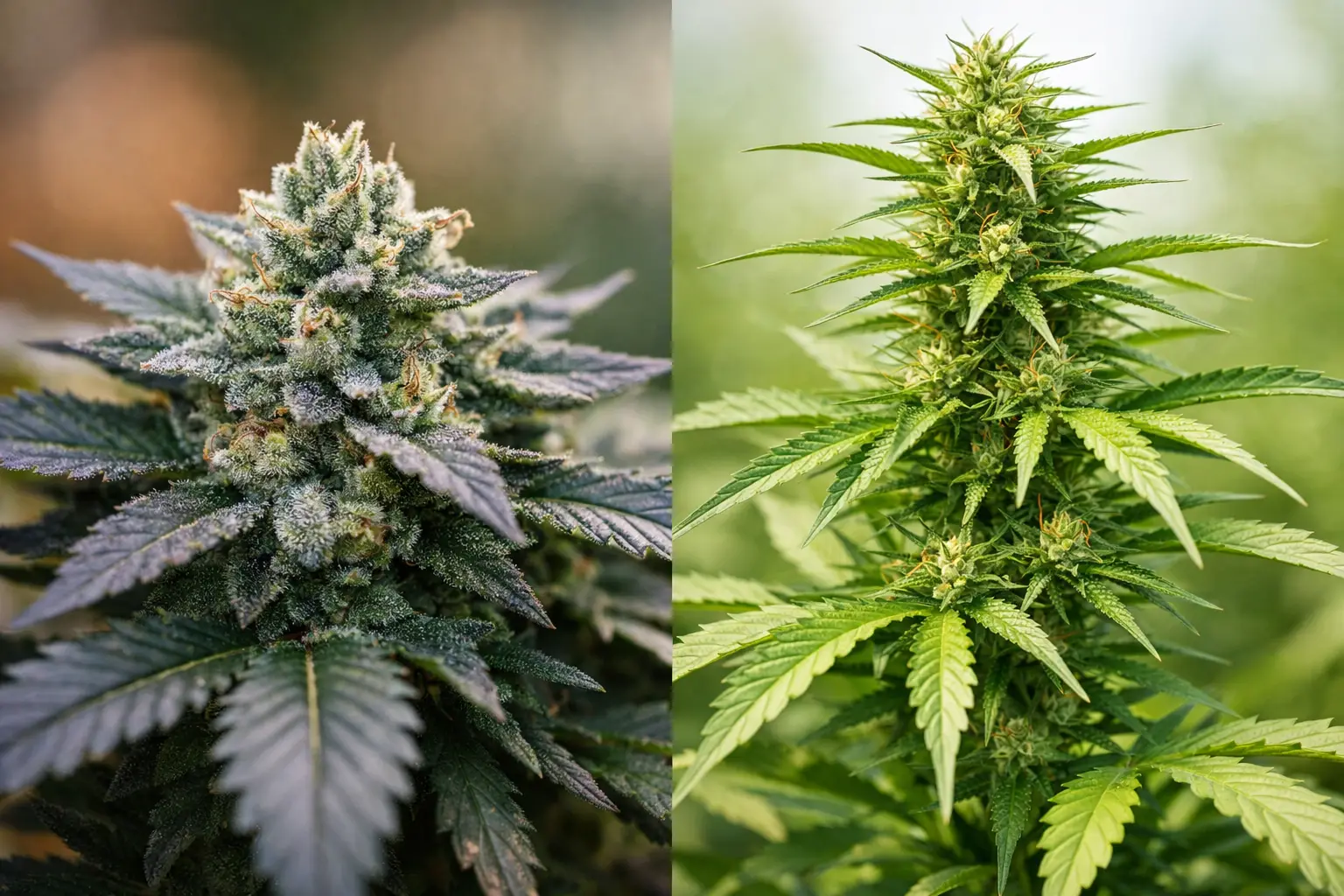
A label says “indica” and you expect to feel relaxed. Another says “sativa” and you expect a more alert experience. That is the common shorthand behind indica versus sativa, and it can be useful when you are standing in front of a menu. But it is not a guarantee of how a product will feel.
Cannabis is more personal than a two-category label suggests. The product’s cannabinoid content, terpene profile, potency, format, and your own tolerance all matter. A better way to shop is to use indica and sativa as a starting point, then read the label and choose a product that fits your plans for the day.
Indica versus sativa: the traditional difference
Traditionally, indica products are associated with a calmer, heavier, more body-focused experience. Many consumers look for them during the evening, when winding down, watching a movie, or settling into a quiet night at home is the plan.
Sativa products are commonly associated with a brighter, more cerebral, and more social experience. Some people prefer them for daytime activities, creative projects, walks, or low-key social settings.
You will also see hybrid products, which are generally described as crosses between indica and sativa plants. In a retail setting, hybrids are often used as the middle ground: products that may lean relaxing, balanced, or more uplifting depending on their specific makeup.
Those descriptions are useful for setting an initial expectation. The limitation is that the words on their own do not tell you the full chemical profile of the product. Two products labeled indica can have different THC levels, different terpene profiles, and very different effects for the same person.
Why the label is not the whole story
Cannabis plant categories originally described physical growth characteristics more than predictable consumer effects. Modern legal cannabis products are also bred and selected in ways that make the old categories less precise than many shoppers assume.
That does not mean indica, sativa, and hybrid labels are meaningless. They can describe how a producer or retailer positions a product and may reflect patterns reported by consumers. It means they should not be the only detail guiding a purchase.
A product sold as a sativa may still feel mellow at a higher dose. An indica product with moderate THC and a terpene profile you enjoy may feel more manageable than a stronger product in the same category. Your sleep, food intake, mood, setting, and experience level can change the outcome, too.
For a more dependable selection, look past the category and ask: What is the THC level? Is there CBD? Which terpenes are listed? What format am I buying? How much am I actually planning to use?
What to check on the product label
THC and CBD
THC is the primary intoxicating cannabinoid in most adult-use cannabis products. Higher THC does not automatically mean a better experience. It generally means a stronger one, and strength can become uncomfortable if it exceeds your tolerance or the situation calls for a clear head.
If you are newer to cannabis, a lower-THC product or a product with a more balanced THC-to-CBD ratio can be easier to approach. CBD is not intoxicating in the same way as THC, and some shoppers prefer products that include it for a more moderate overall experience. Individual responses vary, so start with a small amount and allow time before using more.
Terpenes
Terpenes are aromatic compounds that contribute to a cannabis product’s scent and flavor. They are also one reason two products with similar THC levels can feel distinct to a consumer.
You may see names such as myrcene, limonene, pinene, caryophyllene, and linalool on a label. There is no terpene formula that guarantees a specific effect, but tracking the profiles you enjoy can make future shopping easier. If you liked a product’s citrus-forward aroma and balanced feel, write down its terpene profile, potency, and format rather than relying only on whether it was labeled sativa.
Product format
Flower, pre-rolls, vapes, edibles, beverages, oils, and concentrates do not behave the same way. Inhaled products tend to take effect faster than edibles, while edibles can take much longer to begin and can last longer once they do.
That timing matters more than many shoppers expect. A low-dose edible may be a better fit for someone seeking a gradual, longer experience, but it requires patience. Taking more before the first serving has had time to work is one of the most common ways people end up having a stronger experience than planned.
Concentrates can be especially potent and are generally better suited to consumers who understand their tolerance and the product’s dosing. If you are choosing between formats, convenience should not be the only factor. Consider how quickly you want effects to begin, how long you want them to last, and how much control you want over your dose.
Choose for the occasion, not just the category
The most practical question is not “Is indica better than sativa?” It is “What kind of experience am I looking for, and what product details support that choice?”
For a quiet evening, many consumers start with an indica-leaning or relaxing hybrid product, then choose a THC range that matches their comfort level. For a daytime plan, a sativa-leaning or balanced hybrid may be the natural place to start, especially in a lower or moderate potency option.
Still, your own past experience should carry more weight than a broad label. If an indica-leaning flower felt too heavy for you, do not assume every indica will be the same. Try a different potency, a different terpene profile, or a different format. The same applies if a sativa-leaning product felt more intense than you wanted.
Keeping a simple note in your phone helps. Record the product name, category, THC and CBD percentage, terpenes if available, dose, format, and how it felt after enough time had passed. After a few purchases, patterns become more useful than generic descriptions.
A practical approach for new and returning shoppers
Start lower than you think you need, especially with a product you have not tried before. With inhaled cannabis, take a small amount and give yourself time to assess the experience. With edibles, follow the package serving guidance and wait for the full onset period before deciding whether to take more.
Choose an environment that gives you room to relax. Avoid mixing cannabis with alcohol or other intoxicating substances, and do not drive or operate equipment after use. If you are taking medication, are pregnant or breastfeeding, or have health concerns, speak with a qualified health professional before using cannabis.
A knowledgeable retail team can also help narrow the options. Tell them whether you are looking for flower, a pre-roll, a vape, an edible, or another format, along with your comfort level and desired potency range. Clear details lead to better recommendations than simply asking for the “strongest” indica or sativa on the shelf.
The better way to use indica and sativa labels
Indica, sativa, and hybrid are convenient menu tools, not precise predictions. Think of them as the first filter. Then use the product’s THC and CBD content, terpene information, format, dose, and your own experience to make the final choice.
For adults shopping legal cannabis, that approach keeps the process simple without oversimplifying the product. Start with the category that fits your plans, choose a manageable dose, and pay attention to what works for you. The best label is the one that helps you make a comfortable, informed choice the next time you shop.


