
October 7, 2026
Ontario Cannabis Laws Shoppers Need to Know
Cannabis laws in Ontario set the rules for legal buying, possession, public use, delivery, and travel. Here is what adult shoppers need to know locally.
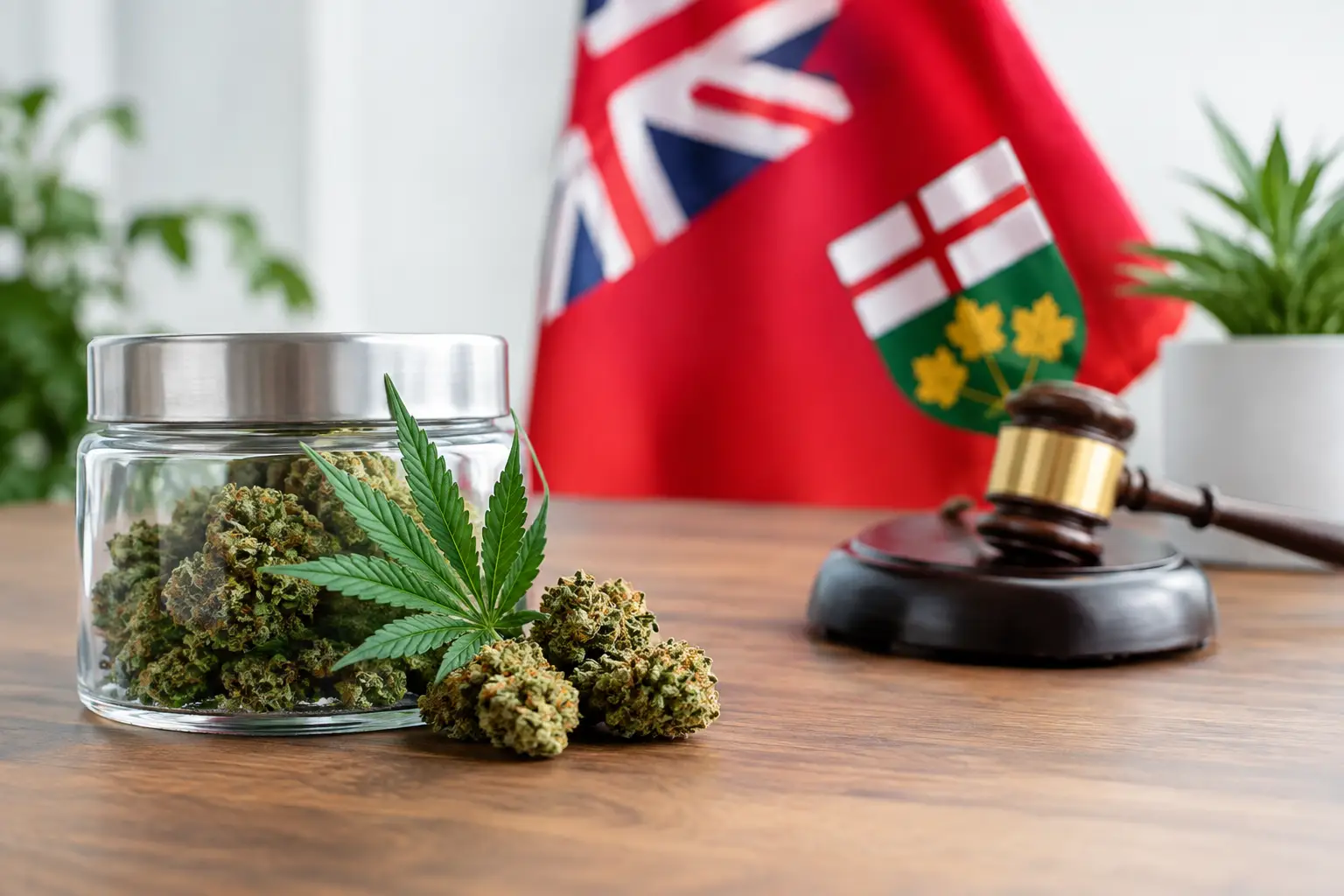
A quick stop at a legal dispensary is simple, but cannabis laws still shape every part of the purchase. In Ontario, legal cannabis is for adults 19 and older, purchased through authorized retailers and used according to rules that cover where you can consume, how much you can carry, and how you travel with it.
For customers, the practical goal is straightforward: buy from a licensed retailer, keep cannabis secure, and treat it with the same care you would any other regulated adult product. The details matter most when you are ordering delivery, consuming away from home, driving, or crossing a border.
Cannabis Laws Start With Legal Adult Access
In Ontario, you must be at least 19 years old to buy, possess, or use recreational cannabis. Licensed stores and delivery services are required to verify age. Have valid government-issued identification ready when shopping in person or accepting a delivery order.
Buying through an authorized retailer is the legal route because products are sourced through Ontario's regulated cannabis system. That means the package should be sealed and labeled, with information such as cannabinoid content, lot details, health warnings, and excise markings where applicable. It also means the product has moved through a monitored supply chain rather than an unregulated one.
Legal retail is not only about checking a box at checkout. It gives shoppers clearer information about what they are buying and a dependable way to find products when they need them. Product availability can vary by location, so checking a nearby store's menu before heading out can save time.
Possession Limits and Storage Rules
An adult may possess up to 30 grams of dried cannabis, or its equivalent, in public. The equivalent amount differs by product format. For example, cannabis extracts, edible products, and beverages are converted into dried-cannabis equivalents under federal rules. A sealed package may look small, but its legal equivalent can still count toward the public possession limit.
At home, adults can generally store more than 30 grams, provided it was legally obtained. Keep cannabis in its original packaging when possible, particularly when taking it outside the home. The label helps identify the product and makes responsible storage easier.
Storage matters even more in homes with children, teens, or pets. Edibles can resemble ordinary food, while beverages may look like other canned drinks. Put all cannabis products in a secure place that children and pets cannot access. Avoid leaving products on a counter, in an unlocked bag, or in a vehicle.
Home Growing Has Limits
Ontario generally permits up to four cannabis plants per residence, not four plants per adult. That limit applies regardless of how many adults live in the home. Plants must come from legally obtained seeds or seedlings.
A landlord, condominium corporation, or rental agreement may set additional restrictions. Home growing can also create practical issues involving odor, humidity, electrical safety, and visibility. Before growing, review the rules that apply to your building and living arrangement rather than assuming provincial permission settles every question.
Where You Can and Cannot Use Cannabis
Ontario's cannabis laws limit smoking and vaping in many of the same places where tobacco smoking is restricted. You cannot smoke or vape cannabis in enclosed public places, enclosed workplaces, school grounds, child care centers, hospitals, many recreational facilities, or inside a motor vehicle.
Outdoor use is not automatically allowed everywhere. Municipal rules, property policies, and building rules can be stricter than provincial requirements. A park, patio, apartment balcony, event space, or shared outdoor area may have its own restrictions. When a location posts a no-smoking or no-vaping policy, assume it applies to cannabis unless the policy clearly says otherwise.
Using cannabis at home may be allowed, but shared living spaces create different considerations. Smoke and vapor can affect neighbors, and leases or condo rules may prohibit smoking or vaping indoors or on balconies. For people who want an option without smoke or vapor, legal products are available in other formats. That does not make them risk-free or instant-acting, especially with edibles.
Edibles take longer to produce effects than inhaled cannabis. The delay can lead some people to take more before the first amount has taken effect. Start with a low amount, wait, and avoid mixing cannabis with alcohol or other impairing substances. The legal question is where and how you use cannabis; the practical question is whether you can do so safely without affecting work, driving, caregiving, or other responsibilities.
Driving After Cannabis Is Not Worth the Risk
Cannabis and driving do not mix. Ontario law prohibits driving while impaired by cannabis, and police can investigate suspected impairment. Penalties may include fines, license suspension, vehicle impoundment, criminal charges, and increased insurance costs depending on the situation.
There is no reliable shortcut for deciding when it is safe to drive. Feeling normal is not the same as being unimpaired. Effects can last longer than expected, particularly with edibles or higher-potency products. Plan a ride, use transit, stay where you are, or choose a sober driver.
If you are transporting cannabis in a vehicle, keep it sealed, closed, and out of reach of anyone inside. The safest approach is to place it in the trunk. Do not consume cannabis in a vehicle, even when it is parked. New and young drivers face additional zero-tolerance rules for drugs, making the consequences especially serious.
Cannabis Delivery Must Follow the Same Rules
Legal cannabis delivery offers convenience, but it is not an exception to age and purchase requirements. Orders must be placed with an authorized retailer, and the person receiving the order must be at least 19. Delivery staff may ask to see identification before handing over the purchase.
Order early enough to account for delivery windows, and make sure an eligible adult is available to receive it. Do not ask a driver to leave cannabis unattended at your door, in a mailbox, or with an underage person. A legal order still needs a compliant handoff.
For Brampton-area shoppers, a nearby licensed store or local delivery option can make legal access more convenient without changing the basics: verify your age, receive the order directly, and store it securely once it arrives. Golden Tree Cannabis follows the same regulated retail framework customers should expect from a legal cannabis business.
Travel Rules Depend on Where You Are Going
You can travel within Canada with legally purchased cannabis, subject to possession limits and the rules of the province or territory you are entering. Keep products sealed and stored safely, especially if you are traveling by car. Rules around public consumption and home growing can differ once you cross a provincial boundary.
International travel is different. Do not take cannabis across any international border, including the Canada-U.S. border. This applies even if cannabis is legal where you live or where you are traveling. Border rules are federal and international matters, and carrying cannabis across can lead to serious legal consequences.
Air travel also requires care. Domestic travel may be permitted within Canadian legal limits, but airline policies and destination rules still apply. Check the requirements before packing, and never assume a legal purchase means every form of transport is automatically permitted.
When Rules Change, Check Before You Buy or Use
Cannabis regulations can change, and local rules may add restrictions beyond provincial law. The safest habit is to check the current rule when your situation is unusual: a new rental, a public event, a road trip, an out-of-province visit, or a delivery address outside your usual service area.
For ordinary purchases, the path stays simple. Buy legal products from an authorized retailer, show ID if asked, keep your purchase secure, consume only where permitted, and never drive impaired. Those few habits keep cannabis shopping convenient while respecting the rules that protect customers, communities, and legal access.


