
September 11, 2026
THC CBD Ratios: How to Choose the Right Balance
THC CBD ratios can shape how a cannabis product feels. Learn what common ratios mean, how to read labels, and how to choose thoughtfully in store today.
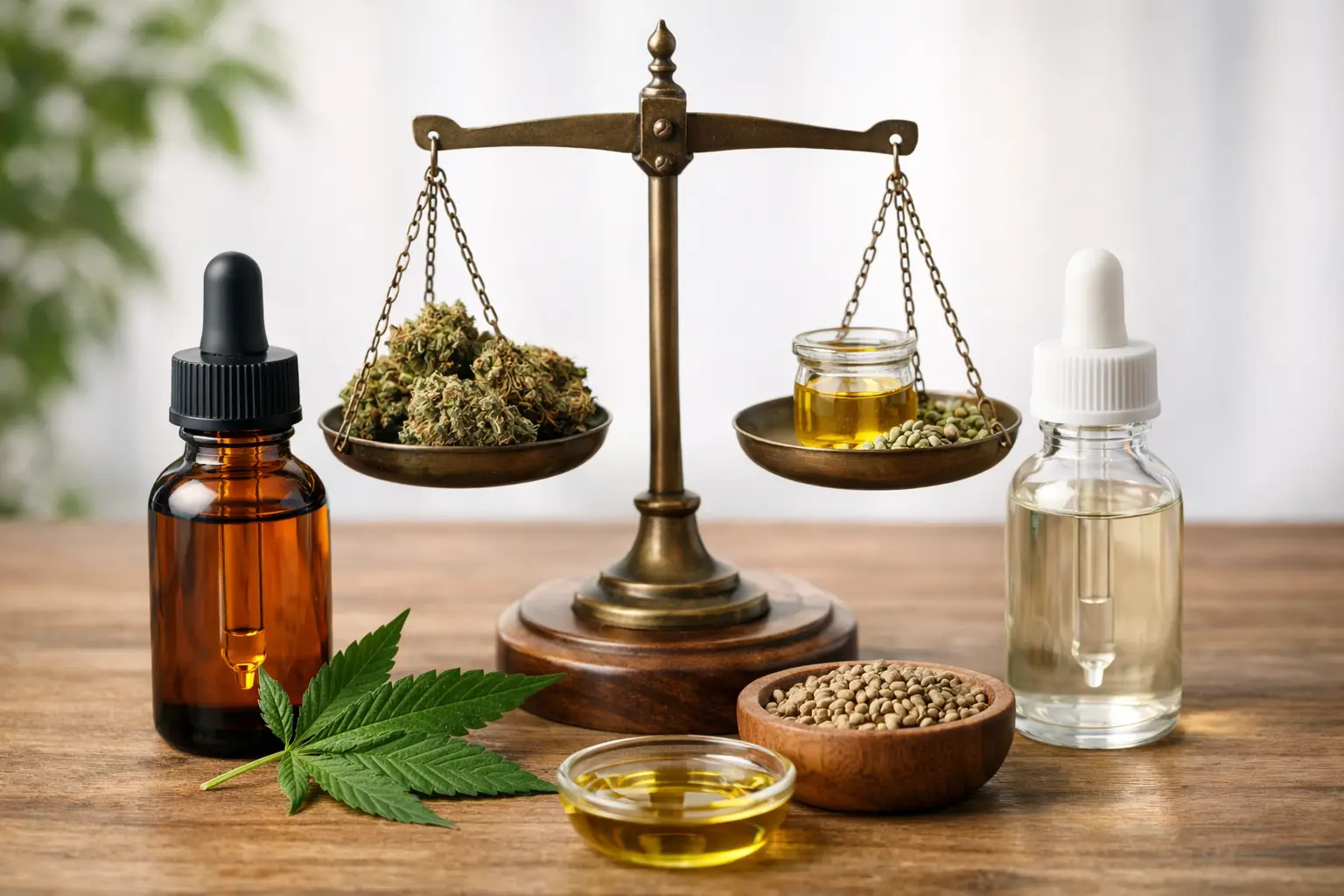
A label that says 1:1 or 20:1 can look simple, but THC CBD ratios are not a promise that every product will feel the same. Two products with the same ratio can have very different total potency, formats, onset times, and effects. The ratio is a useful starting point for choosing legal cannabis. It is not the only number that matters.
For adult customers 19+, the practical goal is to choose a product that matches their experience level, plans for the day, and comfort with THC. Start with the ratio, then check the actual milligrams or percentage on the package before making a decision.
What THC CBD ratios actually mean
A THC-to-CBD ratio compares the amount of tetrahydrocannabinol, or THC, with cannabidiol, or CBD, in a cannabis product. THC is the cannabinoid most associated with intoxication. CBD is non-intoxicating, though it can still contribute to how a product feels for some people.
If a gummy has 10 mg THC and 10 mg CBD, it has a 1:1 ratio. A vape labeled 20:1 contains much more THC than CBD. A product described as 1:20 is CBD-forward, with far more CBD than THC.
Ratios describe proportion, not dose. That distinction matters. A 1:1 edible with 2.5 mg THC and 2.5 mg CBD is very different from a 1:1 beverage with 10 mg THC and 10 mg CBD. Both are balanced by ratio, but the second provides four times as much of each cannabinoid.
Common THC CBD ratios and what they may suit
There is no universal "best" ratio. Individual response varies based on tolerance, body chemistry, product format, whether you have eaten, and the setting. Still, common THC CBD ratios can make the shelf easier to understand.
THC-dominant ratios: 10:1, 20:1, and higher
THC-dominant products contain little CBD relative to THC. These are common in flower, pre-rolls, vapes, concentrates, and many edibles. They may be a better fit for experienced consumers who already know how THC affects them and want a more traditional intoxicating cannabis experience.
For newer consumers, a THC-dominant label is a cue to slow down, not a reason to avoid the product entirely. Low-dose options can still be manageable, especially in edibles or beverages with clearly marked milligrams. The key is the amount of THC per serving, not just the ratio.
Balanced 1:1 ratios
A 1:1 product provides equal amounts of THC and CBD. Many customers choose balanced products because they want CBD present without giving up THC altogether. Balanced oils, capsules, gummies, beverages, and infused pre-rolls are widely available in regulated stores.
A 1:1 ratio may be approachable for someone who wants to begin with a lower THC dose, but it can still be potent at higher milligram levels. Treat a 10 mg THC plus 10 mg CBD edible with the same care you would give any 10 mg THC edible.
CBD-forward ratios: 1:5, 1:10, and 1:20
CBD-forward products have more CBD than THC. They can appeal to customers who prefer minimal intoxication or are interested in a gentler introduction to cannabis. Some people choose these products for daytime use, though everyone should test a new product when they have no driving, work, or other responsibilities ahead.
Even a small amount of THC can be noticeable for a person with no tolerance. Read the package carefully rather than assuming CBD-forward means THC-free.
CBD-only products
CBD-only products contain no meaningful THC, or may be labeled with trace amounts depending on local regulations and testing standards. They do not offer the same intoxicating experience as THC products. If avoiding THC is the priority, confirm the actual THC content on the package instead of relying on front-label marketing alone.
How to read a cannabis label beyond the ratio
The ratio gives context, but the package facts determine how much you are taking. For edibles, beverages, oils, and capsules, look first for milligrams of THC and CBD per serving and per package. A package may contain several servings, so one gummy, piece, or measured oil dose may not equal the whole container.
For flower and pre-rolls, cannabinoid content is usually shown as a percentage or milligrams per gram. Those numbers are useful comparisons, but inhaled cannabis is harder to dose precisely than a single measured edible. How deeply you inhale, how long you hold the product, and how much you consume all affect your experience.
Also check the format. Inhaled products generally take effect sooner than edibles, while edibles can take longer and last much longer. This is why an edible should never be judged too quickly. Waiting is part of responsible dosing.
Terpenes may appear on some labels as well. They contribute aroma and flavor and may influence the overall experience, but they do not replace THC and CBD information. For a straightforward buying decision, prioritize dose, ratio, format, and your own past experience.
A practical way to choose your first ratio
Start by deciding how much intoxication you are comfortable with. If you are new to cannabis or returning after a long break, a low-THC product with CBD present can offer a more cautious starting point than a high-THC product. Choose a clearly dosed format whenever possible.
For edibles, many new consumers begin with a low THC serving and wait at least two hours before considering more. Effects may take longer depending on the person and whether they have eaten. Taking another serving too soon is one of the most common reasons an edible feels stronger than expected.
If you already know you enjoy THC but want to try something less THC-heavy, a 1:1 product is a practical comparison point. If your goal is simply to minimize THC, look for a CBD-forward or CBD-only product and verify the listed THC amount.
Keep the rest of the situation in mind. Avoid combining cannabis with alcohol or other impairing substances. Do not drive, operate equipment, or make safety-sensitive decisions after consuming THC. If you are pregnant, breastfeeding, taking medications, or have questions about possible interactions, speak with a qualified healthcare professional before using cannabis.
Why the same ratio can feel different from product to product
A 1:1 gummy and a 1:1 vape share a ratio, not an experience timeline. The vape may be felt within minutes, while the gummy may take much longer to reach its full effect. The duration can differ just as much.
The source material also matters. One flower cultivar may have a different terpene profile than another with similar THC and CBD levels. Freshness, storage, and batch-to-batch variation can change flavor and perceived effects. Legal cannabis labels provide useful tested information, but they cannot predict an identical result for every customer.
Tolerance is another major factor. A regular THC consumer may find a low-dose balanced product subtle, while the same product may feel significant to a first-time consumer. Start lower when trying a new format, brand, or cannabinoid combination, even if the ratio looks familiar.
Shopping for THC CBD ratios with confidence
A good store visit starts with a clear question: Do you want THC to be the main event, a balanced part of the product, or a minor ingredient? From there, compare the actual THC and CBD amounts, not just the large ratio on the package.
Tell the store team what format you prefer and whether you have used THC before. A practical recommendation should account for dose, onset time, and product availability, not just point to the strongest option. Golden Tree Cannabis can help eligible adult customers compare regulated options in person and choose a format that fits their plans.
Keep your first experience with a new ratio simple: choose a low, measurable dose, give it time, and make notes about what worked for you. That small amount of patience will tell you more than any ratio on its own.


