
November 2, 2026
Vape Cartridge Compatibility for Easy Shopping
Vape cartridge compatibility explained: learn how 510-thread batteries, pod systems, voltage settings, and cartridge sizes affect your next purchase.
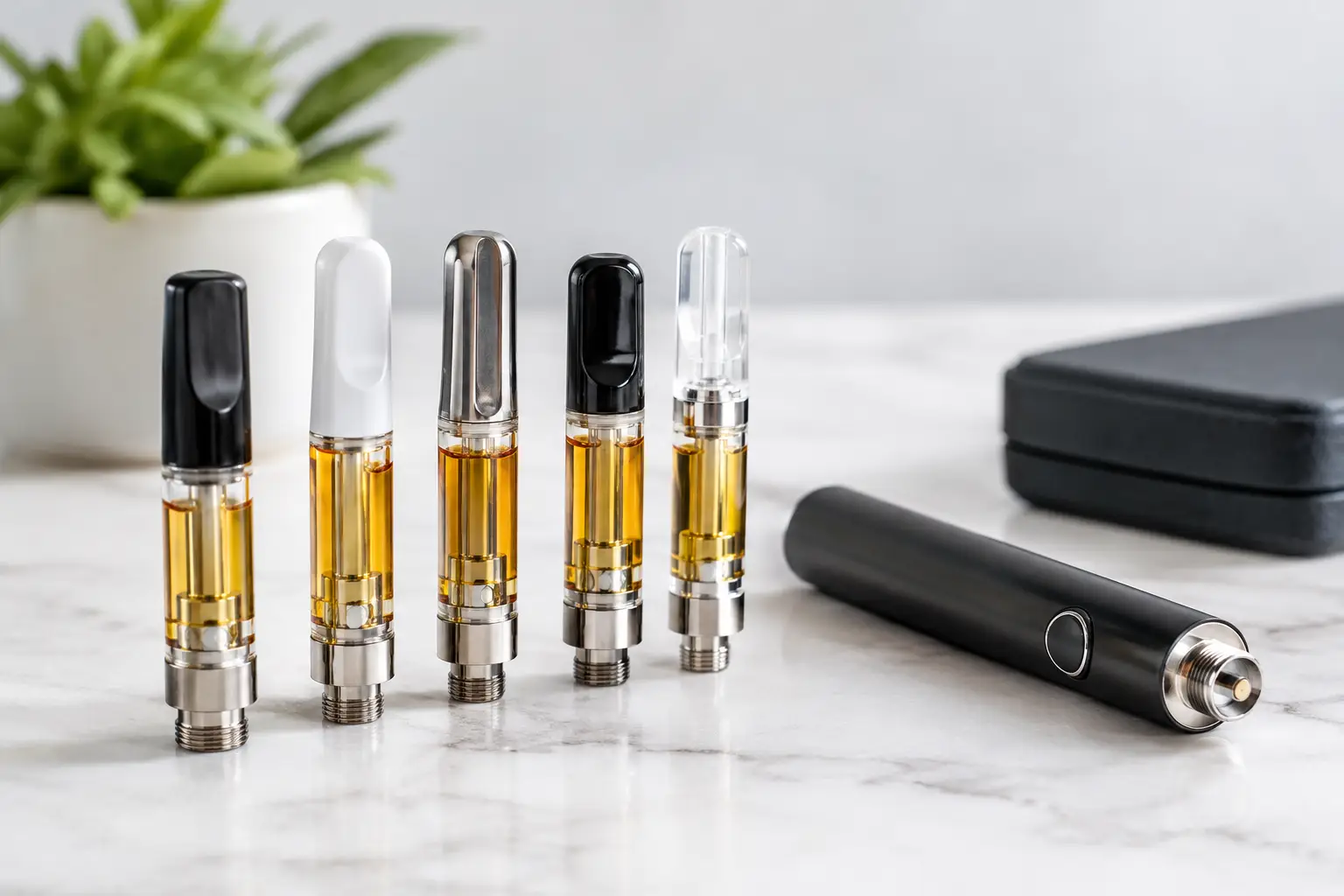
A cartridge that looks like it should fit can still leave you with a dead battery, a loose connection, or a poor draw. Vape cartridge compatibility comes down to more than whether the pieces screw together. The battery connection, cartridge style, voltage range, and overall condition of the hardware all matter.
For a quick, reliable purchase, start by identifying the battery or device you already own. Then check the cartridge packaging before you buy. A few seconds of matching the right system can save a frustrating trip back to the store.
What Vape Cartridge Compatibility Actually Means
Compatibility has two sides: physical fit and proper function. A cartridge may physically attach to a battery but still perform badly if the battery is too powerful, the contact points do not meet correctly, or the cartridge is designed for a different device system.
Most cannabis vape cartridges use a 510-thread connection. This is the small, screw-on fitting at the bottom of the cartridge and the top of the battery. A standard 510 cartridge will generally work with a standard 510-thread battery, making it the most flexible option for shoppers who want to try different legal cartridge brands.
That said, “510 compatible” does not mean every setup will feel identical. Battery voltage affects flavor, vapor production, and the risk of overheating the oil. A cartridge made for a lower-power setting can taste harsh or clog more easily when paired with a high-voltage battery.
510-Thread Cartridges and Batteries
A 510-thread cartridge is usually a cylindrical cartridge with a threaded base. It screws directly onto a compatible battery, often called a vape pen battery. These batteries may have a button, an inhale-activated design, or adjustable heat settings.
For most standard 510 cartridges, a low-to-medium voltage setting is a sensible starting point. Lower settings tend to preserve flavor and provide a smoother draw. Higher settings can create more vapor, but they can also make the oil taste burnt, especially with terpene-rich extracts or nearly empty cartridges.
If your battery has adjustable voltage, begin at its lowest setting and increase only if the draw is too light. There is no advantage to using maximum power if the cartridge already produces comfortable vapor at a lower setting.
A few practical details can affect the connection:
- Do not overtighten the cartridge. Screw it on until it is secure, then stop. Overtightening can damage the threads or push the center contact out of position.
- Keep the bottom of the cartridge and the battery contact clean and dry. A small amount of oil residue can interfere with charging or heating.
- Charge the battery with the cable supplied or recommended for that device. Damaged or mismatched charging equipment is not worth the risk.
- Replace batteries that become unusually hot, are visibly damaged, or no longer hold a dependable charge.
Pod Systems Are Not the Same as 510 Cartridges
Pod vapes use a cartridge or pod made specifically for a certain device. Instead of threading onto the battery, the pod usually clicks or drops into place using magnets or a fitted connection. This means a pod from one brand is rarely interchangeable with another brand’s device.
Before buying a pod, check the exact device name on the package. Similar-looking pods can have different shapes, airflow channels, or electrical contacts. If the package does not clearly state that it works with your device, assume it does not.
This is the main trade-off between 510 systems and proprietary pod systems. A 510 battery offers more cartridge choices and can be easy to replace. A proprietary pod system may be compact and simple, but it limits you to cartridges made for that platform.
Neither option is automatically better. Choose a 510 setup if flexibility matters most. Choose a pod system if you prefer a particular device and want a straightforward, matched cartridge experience.
Cartridge Size Does Not Determine Fit
Cartridges are commonly sold in different oil volumes, such as 0.5-gram and 1-gram options. The amount of oil does not usually change the thread type. A half-gram 510 cartridge and a one-gram 510 cartridge can both work on the same battery.
The difference is often physical length, oil capacity, and how long the cartridge may last. Larger cartridges can be more cost-effective for regular users, while smaller options may be useful for trying a new product without committing to a full gram.
Still, size can affect comfort and balance. A tall, heavy cartridge may feel awkward on a very small battery. It may also be easier to tip over when set down. A battery with a wider base or a protective case can make everyday use more convenient.
Check the Oil Type and Recommended Settings
Distillate, live resin, full-spectrum extracts, and other cannabis vape oils can have different thicknesses and flavor profiles. The cartridge itself may be built with a specific coil and airflow design to suit that oil.
Thicker oils often benefit from a brief preheat function, if your battery has one. Use it sparingly. Repeated preheating can overheat the cartridge, thin the oil too much, and contribute to leaking or burnt flavor.
If a cartridge is hard to draw from, do not immediately turn the voltage up. Let it sit upright at room temperature for a few minutes, then take a gentle pull. Cold temperatures can thicken cannabis oil and make a cartridge seem clogged when it is not actually defective.
Packaging may include battery recommendations or usage instructions. Follow those directions when available, particularly for specialty cartridges. The manufacturer knows the coil and oil formulation better than a generic voltage chart can.
How to Avoid Common Compatibility Problems
The most common issue is a cartridge that does not fire. First, make sure the battery is charged and turned on, if it has a button. Next, remove the cartridge and wipe the contacts with a clean, dry cotton swab. Reattach it gently.
If the battery still flashes or does not produce vapor, the cartridge may not be making contact. Some batteries have a slightly recessed center pin, while some cartridges have a center contact that sits higher or lower than expected. Do not pry at the metal contact with sharp tools. That can damage the cartridge or battery and create a safety issue.
Another common problem is a burnt taste. This usually points to voltage that is too high, repeated long draws, or a cartridge that is nearly empty. Lower the setting, allow the device to cool, and avoid trying to get the last possible drop from an empty cartridge.
Leaking is different from a small amount of condensation around the mouthpiece. Oil collecting around the base or connection can mean the cartridge was exposed to heat, stored on its side, or damaged. Keep cartridges upright when possible and avoid leaving them in a hot car or direct sunlight.
What to Bring When Buying a New Cartridge
If you are unsure which cartridge fits, bring the battery or device with you when shopping in store. A clear photo of the connection and any brand name printed on the device can also help staff identify the correct format. Do not bring loose cartridges into a store unless local store policies allow it.
For 510 batteries, ask whether the cartridge is a standard 510-thread option and whether it has any suggested voltage range. For pod devices, ask for the exact pod made for that model. At Golden Tree Cannabis, clear product labeling and a quick check before purchase can help you leave with a cartridge that matches your hardware.
The simplest rule is also the most useful: match the connection first, then use the lowest effective heat setting. A compatible cartridge and a well-maintained battery make the experience easier, more consistent, and far less likely to interrupt your plans.


