
July 8, 2026
What Do Dispensaries Require to Sell?
What do dispensaries require before they can sell cannabis? Learn the key rules on age, ID, licensing, products, payment, and delivery.
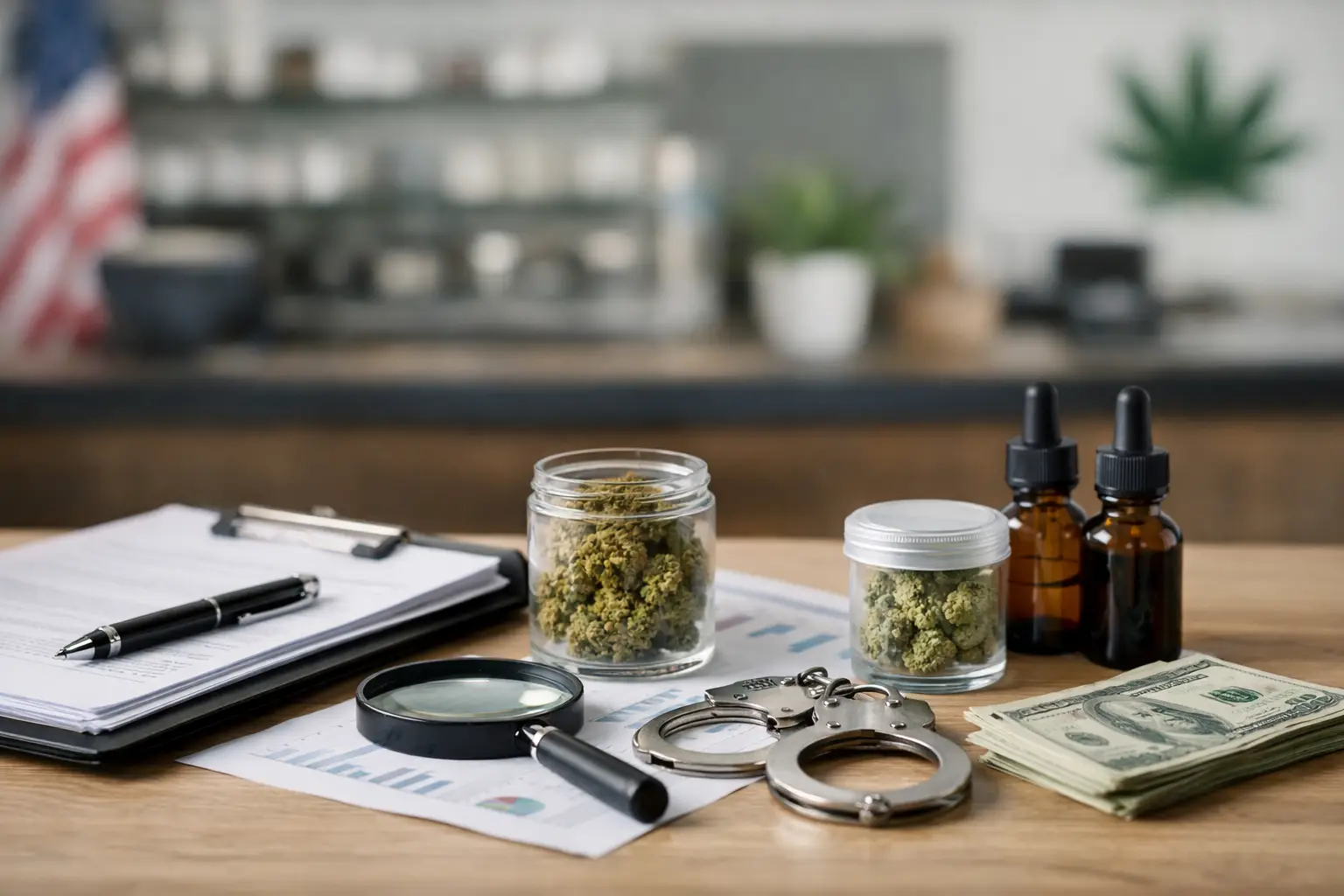
Walk into a legal cannabis store and the process is usually simple. Show valid ID, choose your product, pay, and go. But if you have ever wondered what do dispensaries require before they can actually sell cannabis, the answer is a lot more than a stocked shelf and a cash register. Legal dispensaries operate under strict rules around age checks, licensing, product sourcing, packaging, staff procedures, and in many cases, local delivery.
For shoppers, that matters because those rules shape the experience. They affect what products are available, why some items sell out, why your ID gets checked, why packaging looks the way it does, and why a legal store may feel more structured than an unlicensed seller. If you want a faster, smoother purchase, it helps to know what a dispensary is required to do and what it may ask from you.
What do dispensaries require before opening?
A dispensary cannot legally open just because it leased a storefront and ordered inventory. It first needs the proper license or retail authorization required by its state or province, along with any local approvals that apply in that market. That includes business registration, zoning compliance, security plans, and operating procedures that meet cannabis retail rules.
In plain terms, legal cannabis stores are heavily regulated retail businesses. They usually need approval for where they operate, how they store product, how they verify age, how they track inventory, and how they prevent unauthorized access. The exact rules depend on the jurisdiction, but the pattern is consistent. A legal dispensary has to prove it can sell cannabis in a controlled, compliant way before the doors open.
There is also a practical side to this. A licensed store needs a reliable supply chain from authorized producers or distributors. It cannot just buy product from any source. That requirement is one of the biggest differences between legal cannabis retail and the illicit market.
What do dispensaries require from customers?
For most adult-use shoppers, the main requirement is age verification. A dispensary will require valid government-issued ID to confirm you are old enough to buy cannabis in that area. In many markets, that means every customer may be checked, not just someone who looks young.
This is not a formality. Staff can face penalties for selling to underage customers, and the store can face serious compliance issues if age verification is skipped. That is why some dispensaries ask for ID at the door, while others do it at the register. Either way, if your ID is expired, damaged, or does not meet the store's policy, the sale may be refused.
Customers may also be required to follow store-specific rules. Some dispensaries limit the number of people who can enter at once. Some have policies around bags, payment types, or order pickup windows. If delivery is offered, the customer usually must be present to receive the order and show valid ID again at the door.
Licensing, compliance, and why they matter
Licensing sounds like back-office paperwork, but it has a direct impact on your shopping experience. A licensed dispensary is required to follow rules on inventory tracking, product handling, storage, employee training, and sales reporting. That means products are recorded, movement is monitored, and sales are handled within defined limits.
This matters for safety and consistency. Legal stores are expected to sell regulated products that have gone through approved channels. They are also expected to keep those products secure and prevent access by minors. If a store offers both in-person shopping and delivery, those operations usually come with additional rules on transport, verification, and recordkeeping.
The trade-off is obvious. Regulation can make legal cannabis retail feel more controlled and less casual. But for many customers, that structure is exactly the point. It supports product legitimacy, clearer accountability, and a more predictable buying process.
Product requirements inside a legal dispensary
A legal dispensary cannot stock just anything customers ask for. It must carry products that are approved for sale in its market and sourced through authorized channels. That often includes flower, pre-rolls, vapes, edibles, concentrates, and accessories, but availability depends on local rules and supply.
Products also have to meet packaging and labeling requirements. You will usually see child-resistant packaging, warning labels, ingredient details where applicable, cannabinoid information, and lot or batch tracking information. Some shoppers find the packaging excessive, especially compared with other retail categories, but those rules are part of regulated cannabis sales.
This is also why legal dispensaries may not be able to open packages for you, repackage products, or make exceptions on labeling. Even if a customer wants to inspect an item more closely, the store has to follow handling rules. In a legal shop, compliance often overrides convenience.
Why dispensaries check ID every time
One of the most common customer frustrations is being asked for ID on repeat visits. Regular shoppers sometimes assume staff should remember them. But many dispensaries are required by policy or regulation to verify age every time, or at minimum whenever there is any doubt.
From the store's side, consistency is safer than guesswork. A uniform policy protects staff, reduces disputes, and keeps the process clear. It also helps with delivery, where the person receiving the order must usually match the order details and meet the legal age requirement.
So if you are asking what do dispensaries require at the point of sale, ID is near the top of the list. Keep it ready, keep it valid, and expect to show it even if you shop there often.
Payment, purchase limits, and other checkout rules
Dispensaries may also have rules around how much cannabis a customer can buy in one transaction. Legal purchase limits are set by local law, and stores are expected to follow them. If you try to buy more than the allowed amount, the dispensary may have to reduce the order even if the products are in stock and you are ready to pay.
Payment rules vary. Some markets support cash, debit, or other payment methods, while others are more limited. The best approach is to check accepted payment types before visiting or placing a delivery order. That saves time and reduces the chance of a failed checkout.
There can also be rules around returns. Because cannabis is regulated, return and exchange policies are often stricter than in general retail. If there is a product issue, stores may be able to help, but they usually have to handle it within specific compliance boundaries.
What dispensaries require for delivery orders
Delivery is convenient, but it adds another layer of requirements. A dispensary offering local delivery usually needs approved procedures for receiving orders, dispatching them, securing products in transit, and verifying the customer at the time of handoff.
From the customer side, the requirements are straightforward. You need to place the order within the service area, provide accurate information, be available during the delivery window, and present valid ID when the order arrives. If the named customer is not present or cannot prove legal age, the driver may not be able to complete the delivery.
That can feel strict, especially for busy customers, but it protects the legality of the transaction. A compliant store is not just trying to get the order out quickly. It is also making sure the sale happens the right way.
What to expect when shopping at a legal dispensary
If you are visiting a dispensary for the first time, expect a process that feels more like regulated retail than casual browsing. Staff may greet you at the entrance, ask for ID, guide you through available products, and answer practical questions about category, potency, or format. They can help you shop, but they also have to stay within the store's compliance rules.
That means some things depend on the store and the local law. In one market, products may be visible on shelves. In another, they may be displayed through menus or controlled cases. Some stores focus on speed and convenience. Others allow more one-on-one assistance. Neither approach is automatically better. It depends on the retail model and what customers in that area value most.
For shoppers who want the easiest experience, a little preparation goes a long way. Bring valid ID, know your preferred product type, confirm payment options, and if you are ordering delivery, make sure someone eligible is available to receive it.
A good dispensary should make the process feel clear, not complicated. That is the real answer behind all these requirements. The rules are there to support legal access, safer retail operations, and a smoother experience for adult customers who just want to shop with confidence. If you know what the store requires before you arrive, everything tends to move faster.


